Recognizing early indicators
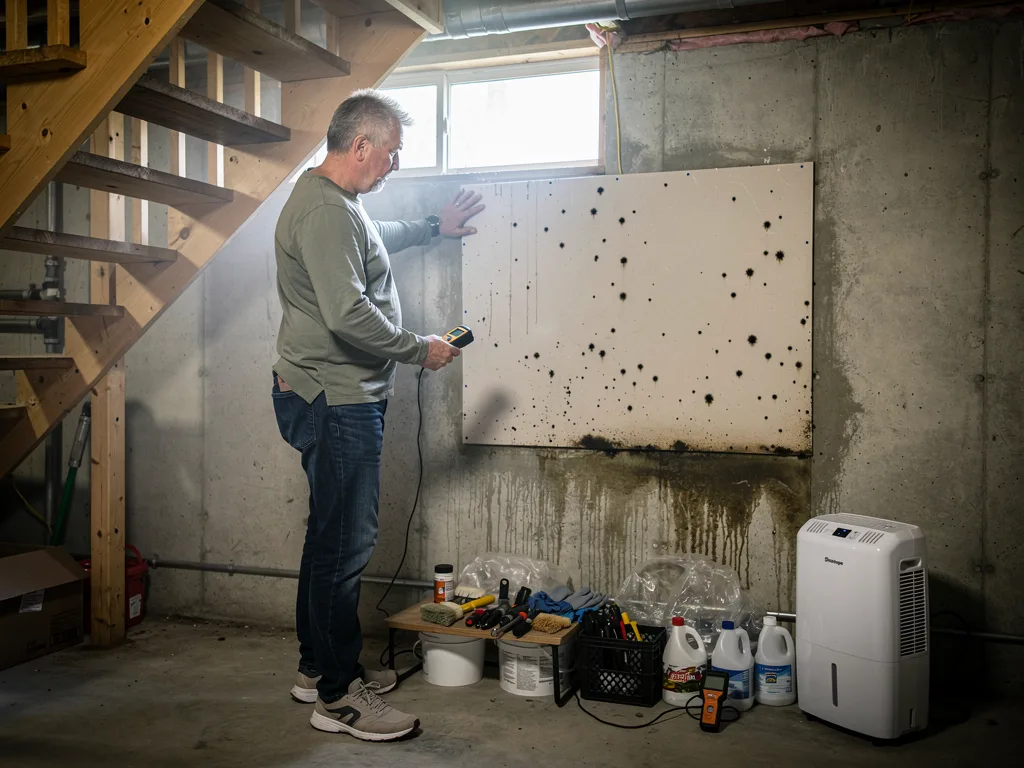
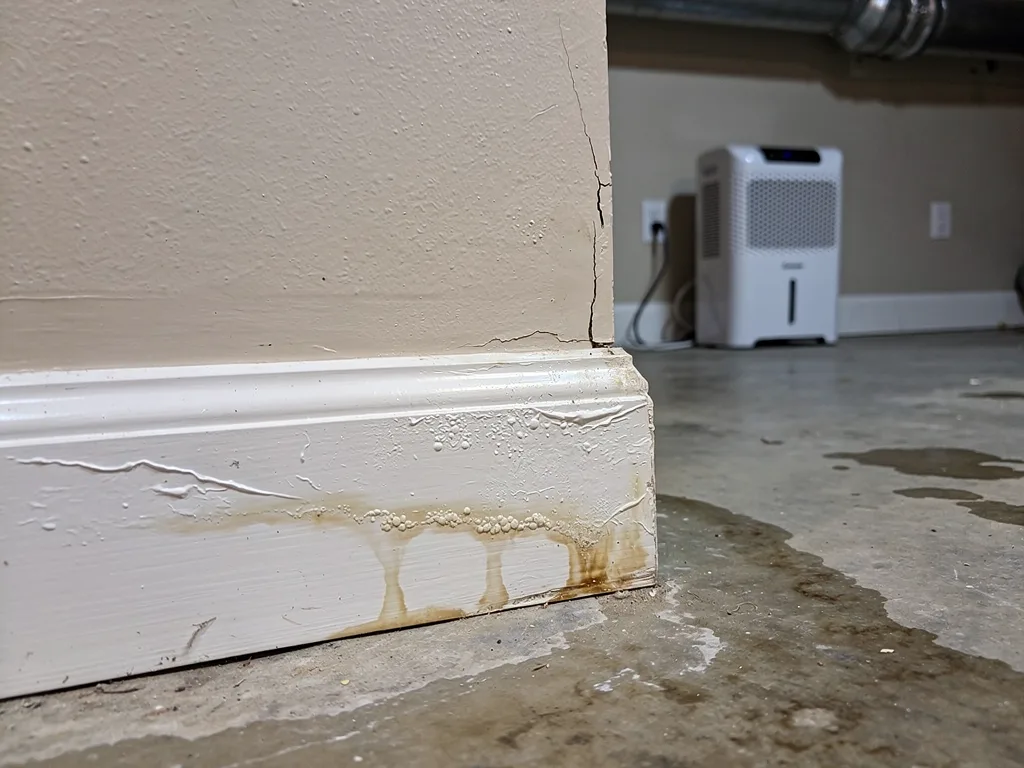
Water damage doesn’t always scream for attention. In homes across Washington, a few quiet signals can hint at bigger issues. Look for damp smells, musty air, or visible staining on walls and ceilings. Listen for distant drips or running water when nothing is in use. Even texture changes in walls or ceilings, like bubbling paint or sagging spots, can be a sign that moisture has found a path behind the surface.
Our restoration specialists in Washington see these signs in every metro area. A small stain or persistent humidity problem is not just an inconvenience; it can lead to structural issues and mold if left untreated. Catching it early keeps costs down and protects living spaces across the entire state.
Where moisture tends to hide
Moisture often hides behind cabinets, baseboards, or behind drywall. In kitchens and bathrooms, check behind fixtures and under sinks for dampness. In basements and crawl spaces, look for condensation on pipes, damp concrete, or musty air. Washington homeowners should pay attention after heavy rains, rapid temperature changes, or snowmelt when moisture can seep into foundations and walls.
When you spot a sign, don’t wait for it to worsen. Our crews in Washington respond with careful assessment to identify the source and scope of the moisture, then outline a practical plan for addressing it.
What to do next
Document the area with photos, make note of when you first noticed the issue, and avoid propping doors or windows open if the area is damp. Contact Washington Flood Restoration for a no-pressure consultation. Our restoration specialists will explain what they find and outline steps to prevent further damage. Acting quickly across Washington helps you limit secondary problems and protect your home’s value.
What we check during a typical evaluation
- Visible staining and surface discoloration
- Moisture levels with noninvasive sensors
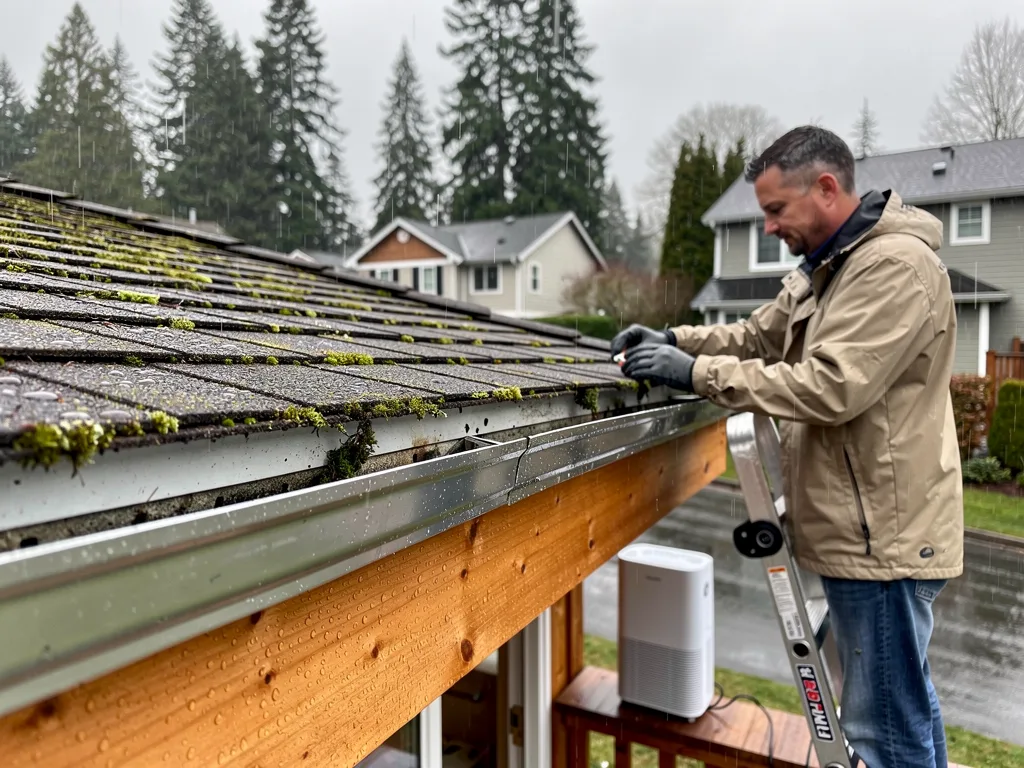
- Sources of water entry, like rooflines or plumbing paths
- Ventilation and humidity control in living spaces