Spring and early summer: prep for rain and runoff
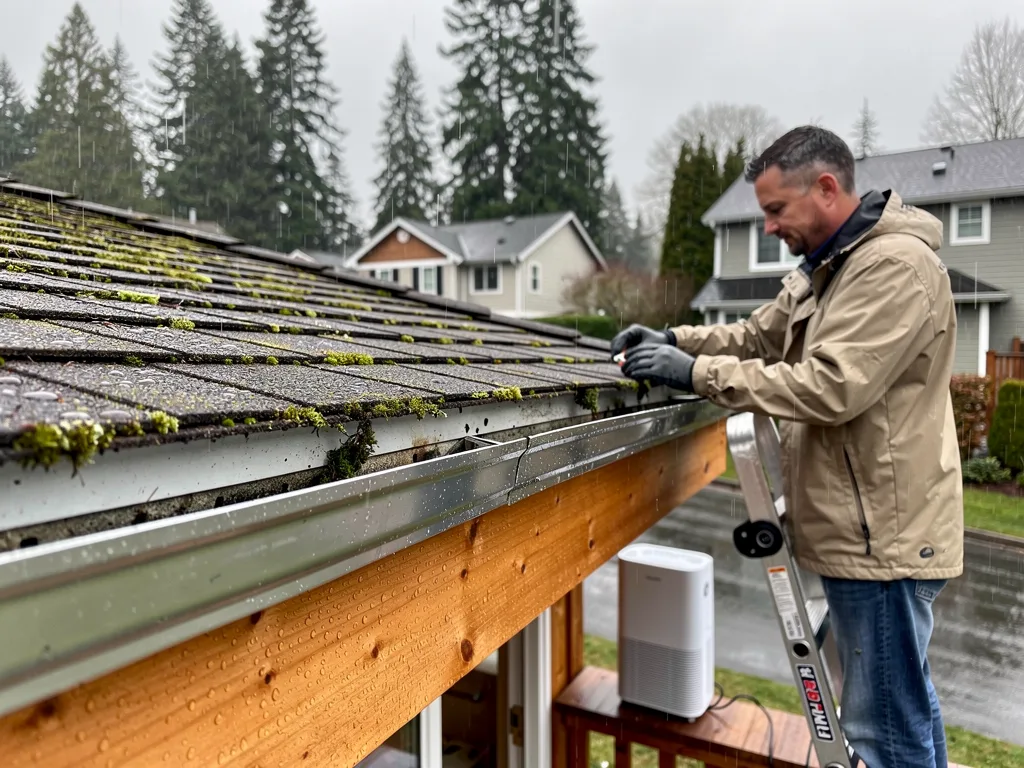
Washington sees wet seasons that challenge homes across the state. Start with gutters and downspouts; ensure they divert water away from the foundation. Check the roof for damaged shingles or loose flashing after winter storms. In crawl spaces and basements, look for dampness and improve ventilation to reduce humidity. These steps help prevent water intrusion before summer storms arrive.
Our restoration specialists emphasize a proactive stance. A small investment in inspection and minor repairs now pays off by keeping moisture out of areas hidden from everyday sight.
Summer and early fall: humidity control
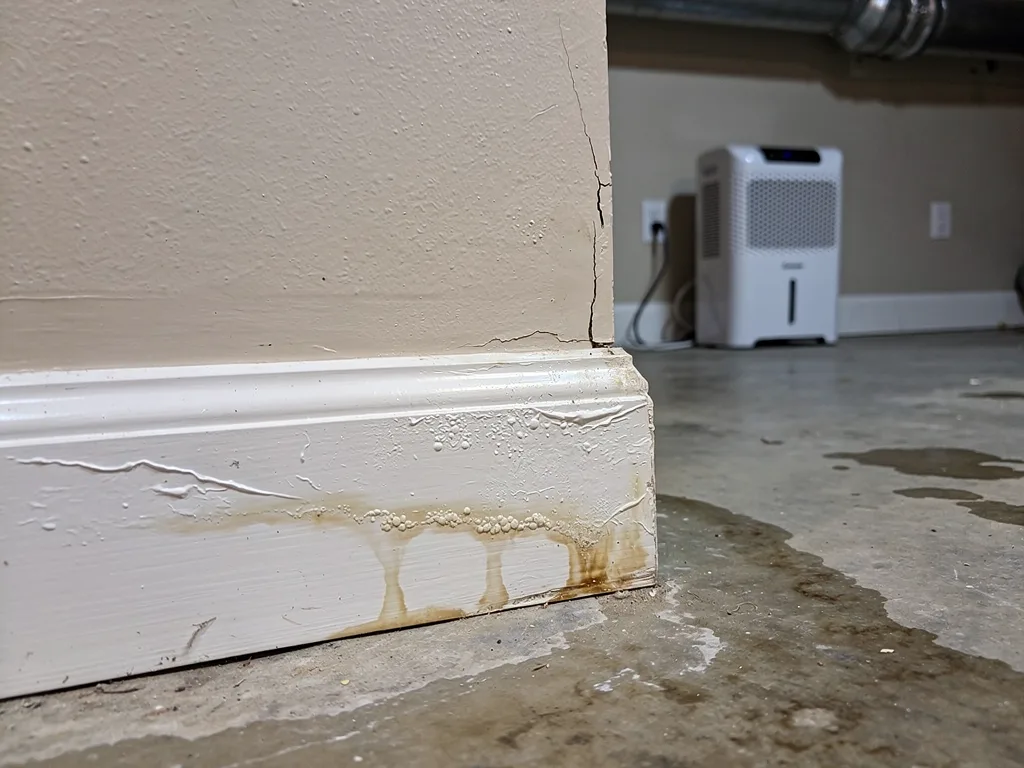
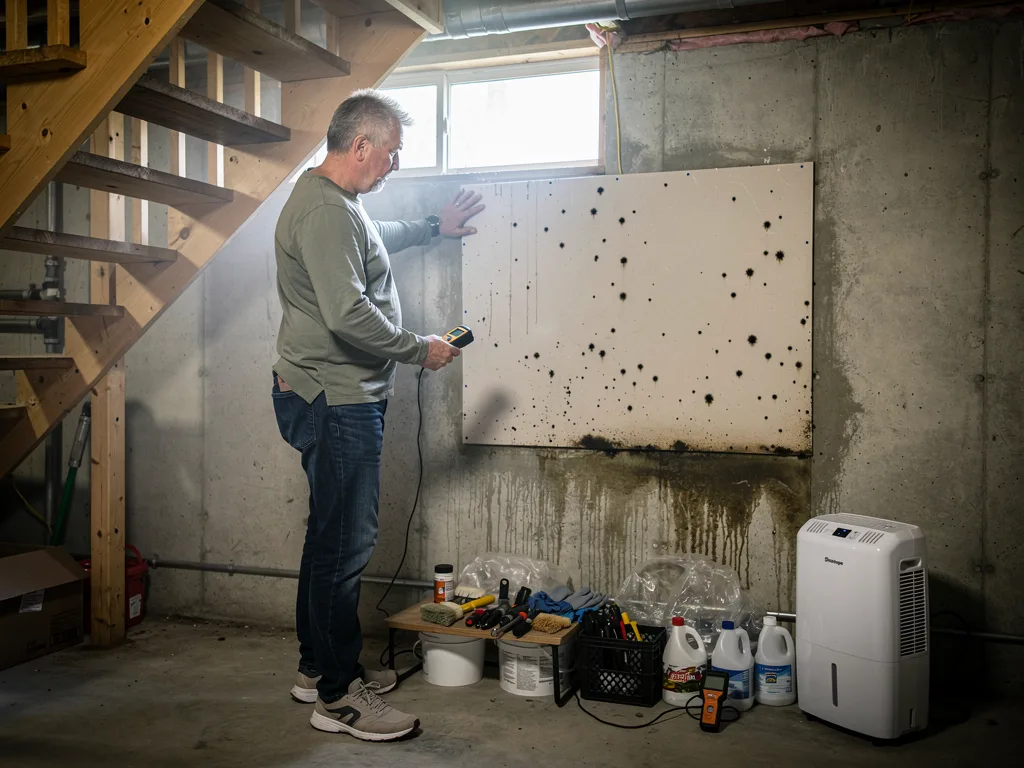
Warm, humid days can drive up indoor humidity, especially in poorly ventilated spaces. Use exhaust fans in kitchens and baths, run a dehumidifier in damp basements, and ensure HVAC systems are well maintained. Seal any cracks around windows or doors to keep outdoor moisture from sneaking in. In Washington, even a modest humidity drop can reduce the risk of mold growth and wall staining.
Our crews in every Washington metro area can help set up a humidity plan tailored to your home. A quick evaluation gives you a target range and a simple schedule for steady moisture control.
Fall and winter: protect against freezing and leaks
Freezing temperatures threaten pipes and rooflines. Insulate exposed pipes, disconnect outdoor hoses, and inspect the attic for heat loss that can cause ice dams. If you notice water spots on ceilings after a cold snap, it’s a sign you should call a restoration specialist to assess potential hidden damage behind walls.
Across Washington, the goal is steady protection. Seasonal steps are about keeping the climate from creating moisture problems, not reacting after the fact.
Simple prevention checklist
- Clear gutters and test drainage after heavy rain
- Inspect roof edges and flashing for wear
- Check insulation around pipes and in the attic
- Monitor humidity with a reliable home meter